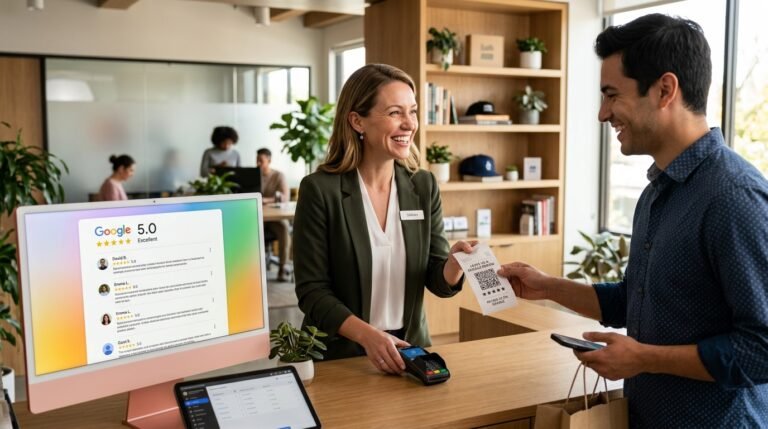

Local business SEO is the targeted practice of optimizing your online presence to attract more customers from relevant local searches on Google and other search engines. For example, when a nearby customer searches for “plumber near me,” “best agency in Chicago,” or “dental clinic open now,” local business SEO determines which companies appear at the top of Google Maps and organic search results. However, if your company lacks a local search strategy, prospective clients in your immediate area will choose your competitors instead.

Unlike traditional national SEO, which focuses on broad global keywords, local business SEO targets geographically constrained queries. Furthermore, fortunately, local search intent is extremely high. In fact, over 76% of people who search for something nearby on a smartphone visit a local business within 24 hours. Consequently, mastering local business SEO offers one of the highest conversion returns in digital marketing.
In this comprehensive guide answering what is local business SEO, you will discover the foundational mechanics of local rankings. Specifically, we will cover Google Business Profile optimization, local pack ranking factors, NAP consistency, customer review strategies, and localized on-page SEO. In addition, whether you run a storefront, a service-area business, or a multi-location brand, this guide provides the exact roadmap needed to dominate your local market.
What Is Local Business SEO?
In simple terms, local business SEO is the process of improving your digital visibility so that nearby users find your business when searching for local products or services. Furthermore, it encompasses your website, your Google Business Profile (GBP), online directory citations, customer reviews, and local map pack rankings.
When a user performs a local search, Google evaluates geographic relevance, prominence, and distance. Therefore, local business SEO ensures search engines understand exactly where your business is located, what services you offer, and why local customers trust you.
Overall, effective local business SEO turns online map searches into walk-in foot traffic, phone calls, quote requests, and scheduled service appointments.
Why Local Business SEO Matters for Growing Companies
Local business SEO matters because modern consumer buying habits have shifted to mobile search. For instance, customers no longer use physical phone directories. Instead, they check Google Maps, read star reviews, compare opening hours, and tap to call directly from search results.
In addition, local business SEO levels the playing field for small and mid-sized businesses. Consequently, a well-optimized local business can outrank massive national competitors in local map packs because Google prioritizes proximity and local customer trust over domain size alone. Consequently, local search visibility delivers highly qualified, high-intent leads.
Furthermore, local searches lead directly to sales. As a result, according to Google research, nearly 28% of local searches result in an immediate purchase. As a result, investing in local business SEO produces compounding revenue growth.
How Local Business SEO Works
To understand local business SEO, you must understand how Google displays local search results. Specifically, Google presents searchers with two distinct result types for local queries: the **Local 3-Pack (Map Pack)** and traditional **Organic Search Results**.
- The Local 3-Pack: The prominent box appearing at the top of Google search results displaying a interactive Google Map with three top-ranked local business listings.
- Localized Organic Results: The standard website links appearing below the map pack, ranked based on traditional on-page SEO, backlinks, and local content relevance.
Together, optimizing for both the Map Pack and organic rankings ensures maximum visibility for your local business.
The 3 Core Ranking Factors in Local Business SEO
Google evaluates three primary criteria when ranking companies for local queries:
- Relevance: How well your business profile and website content match the specific search intent of the user query.
- Distance (Proximity): How close your business address or service area is to the location terms used in the search or the user’s physical GPS location.
- Prominence: How well-known, authoritative, and trusted your business is online based on review volume, star ratings, backlinks, and citations.
Google Business Profile for Local Business SEO
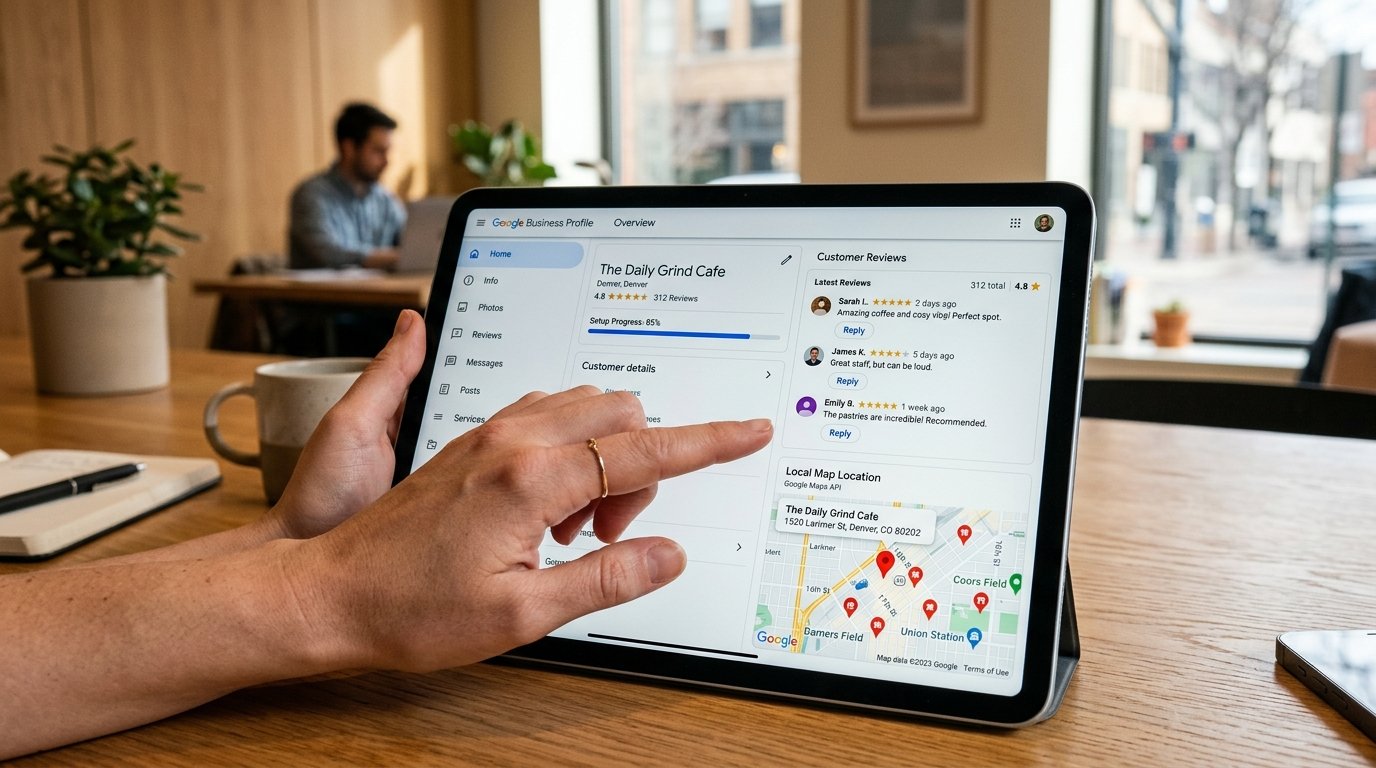
Your **Google Business Profile (GBP)** is the single most critical asset in local business SEO. In fact, a fully optimized GBP listing accounts for over 36% of your ranking strength in the Local 3-Pack. Therefore, setting up and maintaining your profile correctly is non-negotiable.
To maximize your Google Business Profile impact:
- Claim and verify your official business profile listing.
- Select your primary business category accurately, along with relevant secondary categories.
- Ensure your business name, physical address, and phone number (NAP) match your website exactly.
- Add high-resolution interior, exterior, team, and work portfolio photos regularly.
- Publish weekly Google Business Profile posts highlighting special offers, service updates, and blog articles.
NAP Consistency and Citations in Local Business SEO
NAP consistency stands for Name, Address, and Phone number uniformity across the entire web. Therefore, search engines cross-reference directory databases to verify your business legitimacy. However, if your business name or phone number differs between Yelp, Bing Places, YellowPages, and Facebook, Google loses confidence in your data.
Local citations are online mentions of your business NAP details on industry directories, local chamber of commerce sites, and mapping platforms. In fact, consistent high-authority citations reinforce your business prominence and local authority.
For best results, perform a citation audit to fix inconsistent suite numbers, old phone numbers, or misspellings across all major directory portals.
Customer Reviews and Reputation Management
Online reviews directly influence both local search rankings and customer conversion rates. For example, Google explicitly considers review count, review velocity, star ratings, and keyword mentions in reviews when ranking map listings. Furthermore, over 88% of consumers trust online reviews as much as personal recommendations.
To build a high-converting review strategy:
- Ask satisfied customers for Google reviews via automated post-service emails or SMS text campaigns.
- Respond promptly and professionally to every review, both positive and negative.
- Incorporate relevant service and city keywords naturally into your public owner responses.
On-Page Optimization Strategies for Local Business SEO
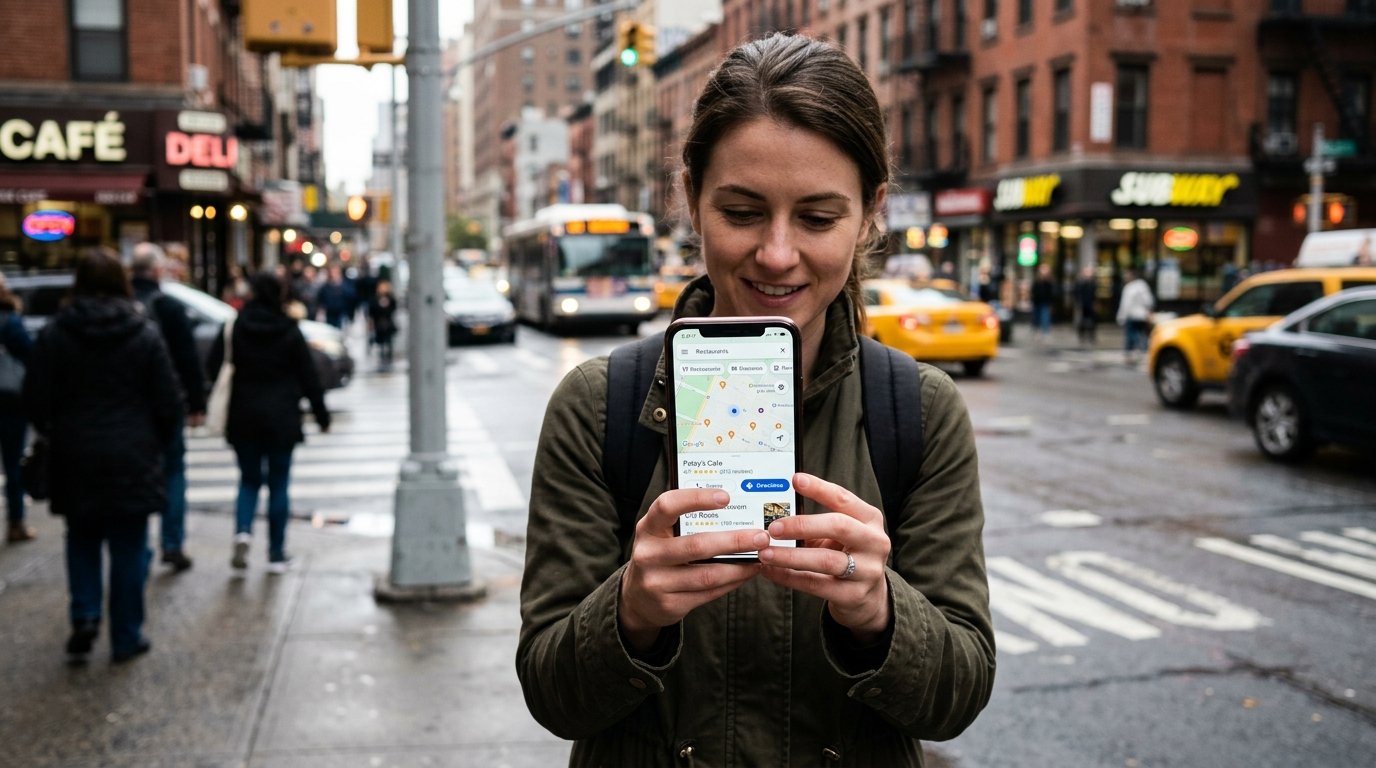
While your Google Business Profile drives map rankings, localized on-page SEO ensures your website ranks organically for competitive local keywords. Specifically, your website must signal clear geographic intent to search crawlers.
Key localized on-page optimization tactics include:
- Including target city and state names in H1 titles, meta titles, H2 subheadings, and body content.
- Embedding a responsive Google Map of your business location on your contact page.
- Adding LocalBusiness Schema markup (JSON-LD) to help search engines understand your exact geolocation coordinates, operating hours, and accepted payment methods.
- Creating dedicated location landing pages for every city or region your business serves.
Comparison 1: Local SEO vs. National SEO
| Dimension | Local Business SEO | National SEO |
|---|---|---|
| Search Intent | Geographically targeted queries (“near me”, city names) | Broad informational or national commercial terms |
| Primary Asset | Google Business Profile & Local 3-Pack | Domain authority & high-volume content pages |
| Customer Intent | High purchase intent & immediate local visits | Research, comparison, or digital delivery |
Comparison 2: High Prominence vs. Poor Local Signals
| Metric | High Local Authority | Poor Local Authority |
|---|---|---|
| NAP Consistency | 100% matching across all directory portals | Conflicting addresses and old phone numbers |
| Review Profile | 50+ recent 5-star reviews with active owner replies | Sparse, old, or un-replied negative reviews |
| Schema Markup | Complete LocalBusiness JSON-LD schema installed | Missing structured data and location tags |
External References
- Google Search Central: Local Business Structured Data Guidelines
- BrightLocal: Local SEO Industry Research & Ranking Signals
- Moz Local: Local Search Ranking Factors Study
- Search Engine Land: Complete Guide to Local Search Engine Optimization
Local Keyword Research for Small Businesses
Effective local business SEO relies on targeting keywords that reflect exact local purchase intent. For example, when potential clients search for services in your area, they use specific geographic modifiers. Consequently, discovering how local buyers search is the first step toward ranking high on Google Maps.
Implicit vs. Explicit Local Search Queries
Local search queries fall into two main categories: explicit and implicit search terms. Specifically, an explicit query includes a direct city or zip code modifier, such as “dentist in San Diego.” In contrast, an implicit query relies on GPS location detection, such as “dentist near me” or simply “dental clinic.” Therefore, your website content must target both explicit city names and implicit service phrases.
Uncovering High-Intent Geo-Targeted Keywords
To identify profitable local terms, combine your core services with target city names, popular neighborhood landmarks, and regional nicknames. Furthermore, analyze Google’s autocomplete suggestions and competitor business profiles. As a result, you uncover high-converting search terms that drive targeted local traffic.
Hyper-Local Content Marketing Strategies
Publishing hyper-local content builds strong community relevance for search engine algorithms. In fact, writing about local events, community partnerships, and neighborhood project case studies signals to Google that your business is deeply rooted in your service area.
Writing Neighborhood and Suburb Landing Pages
If your business serves multiple surrounding towns, create unique landing pages for each service area. However, avoid publishing duplicate content across location pages. Instead, include authentic customer testimonials, local project photos, and specific neighborhood directions on each dedicated page.
Sponsoring Community Events and Earning Local Backlinks
Local backlinks from regional news outlets, sports team sponsorships, and local chambers of commerce provide massive local authority. Consequently, earning links from trusted community websites boosts your prominence score in Google’s local map algorithm.
Step-by-Step Local Business SEO Implementation Guide
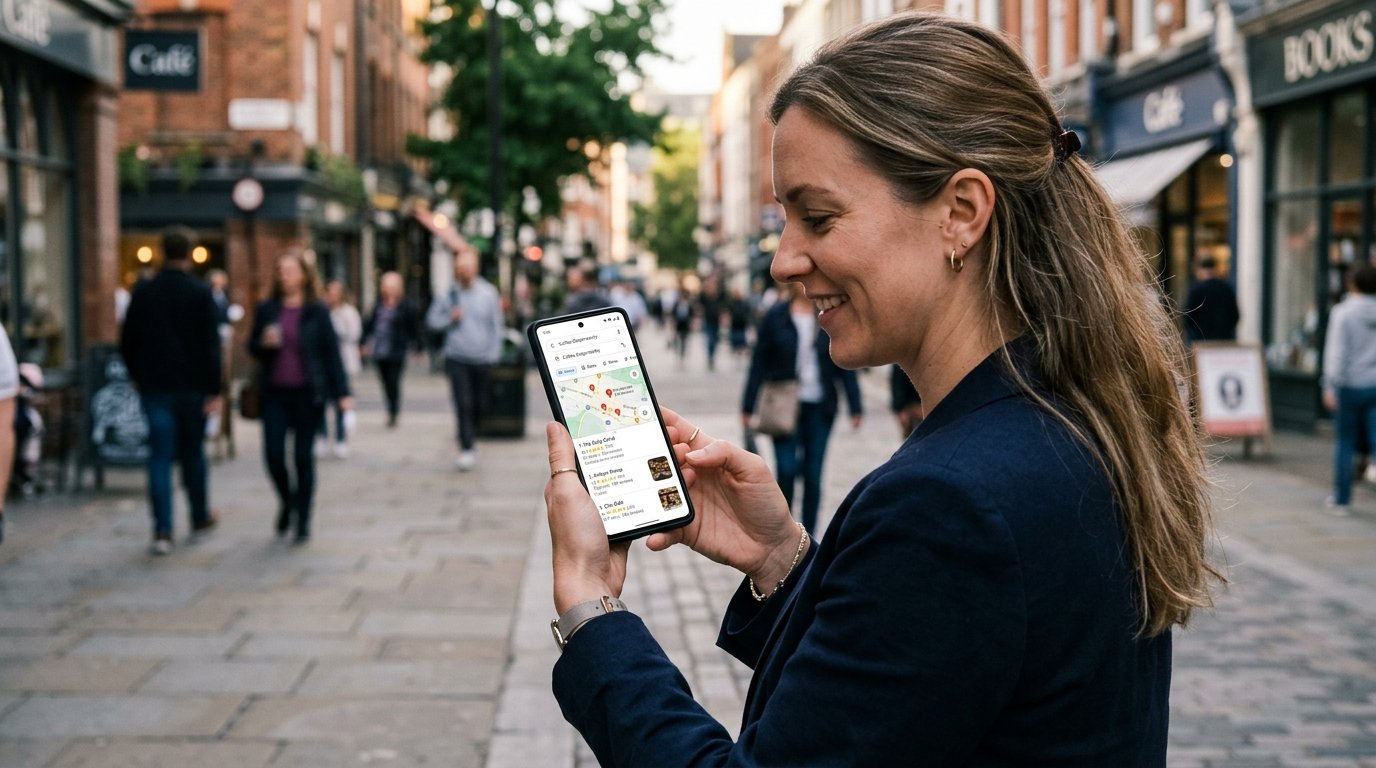
To execute a flawless local business SEO campaign, follow this 6-step implementation roadmap:
Step 1: Perform a Comprehensive Local SEO Audit
Audit your current Google Business Profile, existing directory citations, NAP consistency, review sentiment, and localized on-page keywords.
Step 2: Optimize Your Google Business Profile
Complete every profile section, select correct categories, add high-resolution photos, and publish regular Google updates.
Step 3: Build and Clean Local Citations
Claim listings on top directory aggregators like Yelp, Bing Places, Apple Maps, YellowPages, and Facebook. For example, fix any incorrect address data.
Step 4: Implement Local On-Page & Schema Markup
Add city-targeted keywords to your titles and subheadings. In fact, install LocalBusiness JSON-LD schema and embed your Google Map location.
Step 5: Launch an Automated Customer Review Strategy
Set up automated email or SMS requests asking recent customers to leave reviews on Google, and respond promptly to every review.
Step 6: Build Local Backlinks and Community Partnerships
Sponsor local events, join local business associations, and earn links from local news outlets, blogs, and partner organizations.
Real-World Industry Use Cases for Local Business SEO
1. Local Home Service Contractors
A local HVAC contractor optimized their Google Business Profile, launched automated review requests, and built dedicated service pages for 5 nearby suburbs. As a result, phone inquiries from Google Maps increased by 115% within 90 days.
2. Multi-Location Retail Stores
A regional dental practice created distinct location landing pages with unique NAP details and individual Google Business Profiles for 4 branch offices. Consequently, overall patient appointments grew across all locations.
3. Professional Law Firms
A personal injury law firm audited their directory citations to fix duplicate listings and added LocalBusiness schema markup. In fact, organic local search leads doubled within six months.
Common Local Business SEO Mistakes to Avoid
- Inconsistent NAP Details: Using different address formats or phone numbers across online directories confuses search engines.
- Selecting Incorrect Categories: Picking wrong primary categories on Google Business Profile severely hurts map rankings.
- Ignoring Negative Reviews: Leaving negative reviews unaddressed damages buyer trust and star prominence.
- Creating Fake Virtual Addresses: Using P.O. boxes or virtual offices breaks Google guidelines and risks profile suspension.
- Neglecting Mobile Optimization: Most local searches happen on mobile phones. Slow mobile pages drive customers away.
Local Business SEO Best Practices Checklist
Google Business Profile Checklist
- Claim and verify your official Google Business Profile.
- Select your primary business category accurately.
- Add complete business hours, service options, and attributes.
- Upload fresh interior, team, and project photos monthly.
- Respond to all customer reviews within 24 to 48 hours.
On-Page & Technical Local SEO Checklist
- Include city and state target terms in page titles and H1 tags.
- Install LocalBusiness JSON-LD schema markup on your website.
- Ensure your NAP details match your Google Business Profile exactly.
- Create unique landing pages for each physical location or service area.
- Explore Zevanta Digital’s specialized services in Digital Agency Services, Featured Client Projects, Our Expert Team, and Schedule a Strategy Consultation.
How Zevanta Digital Helps With Local Business SEO
At Zevanta Digital, we help local companies dominate local search results, attract nearby customers, and scale revenue. Moreover, our local SEO specialists, web developers, and content strategists build complete local growth engines tailored to your market.
From Google Business Profile optimization and citation cleanup to localized landing page design and review automation, Zevanta Digital delivers measurable, bottom-line results. Specifically, contact our team today to discuss your local growth goals.
Frequently Asked Questions
What is local business SEO?
Local business SEO is the practice of optimizing your online presence to rank higher in local search results and Google Maps, attracting nearby customers who are ready to buy.
How long does local business SEO take to work?
Most local businesses start seeing positive movement in map pack rankings and local search traffic within 4 to 8 weeks after optimizing their Google Business Profile and local citations.
How much does local business SEO cost?
The cost depends on your location competitiveness, number of business locations, and campaign scope. Similarly, typically, professional local SEO services range from $500 to $2,500 per month.
Do I need a physical address for local business SEO?
Service-area businesses that travel to customers (like plumbers or electricians) do not need to display their street address on Google Maps, but must set up valid service areas.
Why is NAP consistency important for local SEO?
Matching Name, Address, and Phone details across directory citations verifies your business legitimacy and builds search engine trust in your location data.
Measuring Local SEO Success and Key Metrics
Tracking performance is essential for long-term local business SEO success. In fact, monitoring clear metrics allows you to measure real return on investment and refine your campaign strategies over time.
Tracking Phone Calls and Direction Requests
Google Business Profile Insights provides detailed reporting on customer actions. For example, you can track how many searchers clicked to call your business, requested driving directions, or visited your website directly from Google Maps. Consequently, these conversion signals show how effectively your local profile generates real customers.
Monitoring Geo-Grid Local Rankings
Because local search rankings change based on user location, standard rank tracking is insufficient. Therefore, using geo-grid rank tracking tools allows you to visualize your Google Maps position across specific neighborhoods and zip codes in your city.
Conclusion
In conclusion, local business SEO is the single most effective way for physical and service-area businesses to attract nearby customers and outshine local competition. Instead, by optimizing your Google Business Profile, ensuring NAP consistency, building reviews, and sharpening localized on-page SEO, you turn local search intent into steady revenue.
Furthermore, local business search dominance creates long-term digital authority that continues to deliver qualified leads month after month.